
The Real Magic of Mushrooms
Medicinal mushrooms and their plethora of benefits and uses.
Siobhan Belton
4/13/20262 min read
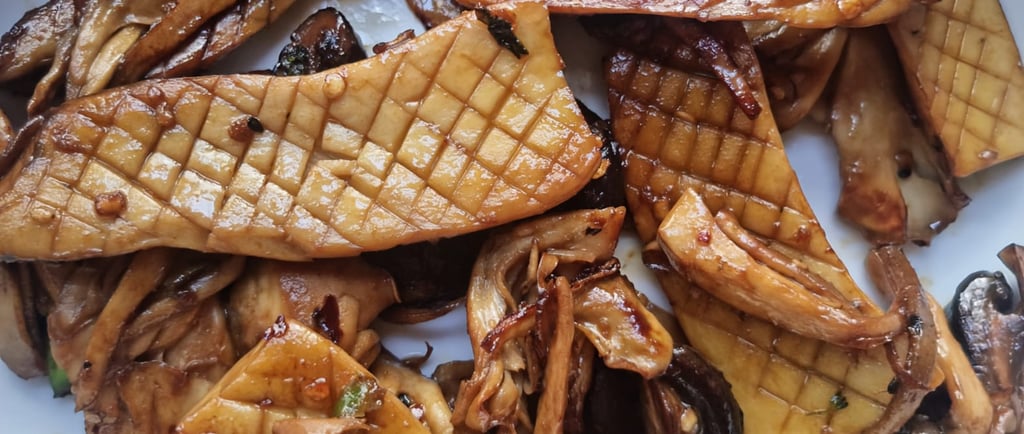
As a holistic nutritional coaching chef, my approach to food has always gone beyond flavour—it’s about nourishment, health, and vitality. During my studies at the Academy of Healing Nutrition, I was introduced to the potency of medicinal mushrooms, and they’ve remained a steady, grounding presence in my kitchen ever since.
What I’ve come to respect is how intelligent these foods are. Each mushroom carries its own therapeutic profile—supporting immune function, cognitive health, energy production, and overall resilience. They’re also an underrated source of plant-based protein, making them both nourishing and accessible. Cooking with mushrooms is an affordable way to incorporate healing qualities and medicinal properties into your daily diet.
Nutritionally, mushrooms are rich in essential B vitamins—including B2 (riboflavin), B3 (niacin), and B5 (pantothenic acid)—which support energy metabolism and nervous system function. They also contain important trace minerals such as selenium, zinc, copper, and potassium, alongside powerful polysaccharides known as beta-glucans. Beta-glucans play a key role in immune modulation, helping the body regulate and respond more effectively to stress, infection, and inflammation. This is one of the key mechanisms behind the immune-supporting reputation of medicinal mushrooms. Some varieties are also classified as primary adaptogens, offering dual stress-adaptive properties that help the body respond more efficiently to both physical and emotional stress.
There is also an ancient wisdom to their use. Across cultures, mushrooms have been consumed not just as food, but as a daily practice for longevity, vitality, and balance. This is something I bring into my own kitchen and lifestyle—keeping it simple, consistent, and intentional.
Sourcing matters. Wild-harvested varieties such as purple and red reishi tend to carry a deeper potency than many commercially produced alternatives. In my own practice, reishi is used in tinctures and evening drinks for its calming, adaptogenic properties, chaga is slow-brewed over several hours creating a deeply antioxidant-rich daily tonic, and lion’s mane is used as a powder or tincture for cognitive support, clarity, and focus.
Medicinal mushrooms are also widely recognised in functional nutrition for their supportive role alongside serious health challenges, including during cancer treatment, where they are valued for their gentle yet powerful therapeutic attributes.
Functional timing is also important. Lion’s mane is commonly used in the morning for cognitive performance, memory, and mental clarity. Chaga is used as a grounding daily support for immune resilience and antioxidant protection. Reishi is traditionally taken in the evening to support relaxation, nervous system balance, and restorative sleep. This rhythm allows the body to receive targeted support depending on its needs throughout the day.
For me, medicinal mushrooms represent something much deeper than supplementation—they represent a return to ancient nutritional wisdom. Food is not separate from health. Food is health. When we begin to understand ingredients in this way, we shift from eating reactively to eating with intention. My philosophy as a chef has always been rooted in this belief: that the kitchen is one of the most powerful places of healing we have access to. When we choose ingredients that support the body rather than simply fill it, we begin to build a daily practice of resilience, balance, and longevity.